
How to Identify a Trusted Riding Jodhpurs Vendor for Superior Equestrian Wear
2026-05-26
当你为下一次训练或比赛物色完美的骑马裤时,是否总能迅速识别出值得信赖的供应商?马术装备市场鱼龙混杂,从面料工艺到版型细节,稍有疏忽就可能影响骑乘表现与安全。正因如此,像OpeEquestrian这样兼具创新与传统的品牌才愈发珍贵——他们用专业让你专注。接下来,我们将拆解关键指标,助你一眼辨优劣。
Seek Out a Legacy of Trust Among Real Riders
There’s a quiet understanding that passes between riders who’ve clocked real miles. It’s the kind of trust earned when a machine has never left anyone stranded on a remote stretch of road, or when advice handed down from a seasoned rider saves you from a mistake you didn’t see coming. This isn’t about marketing speak—it’s about the collective experiences that build a reputation, one ride at a time.
You find this legacy in the grease-stained hands of mechanics who’ve been tuning the same models for decades, and in the casual nod from a stranger on the highway who recognizes your bike as something dependable. It’s a heritage that can’t be fabricated; it survives only through the honest stories told around campfires and the unwavering loyalty of those who refuse to settle for anything less than proven.
Scrutinize Fabric Quality and Construction Details
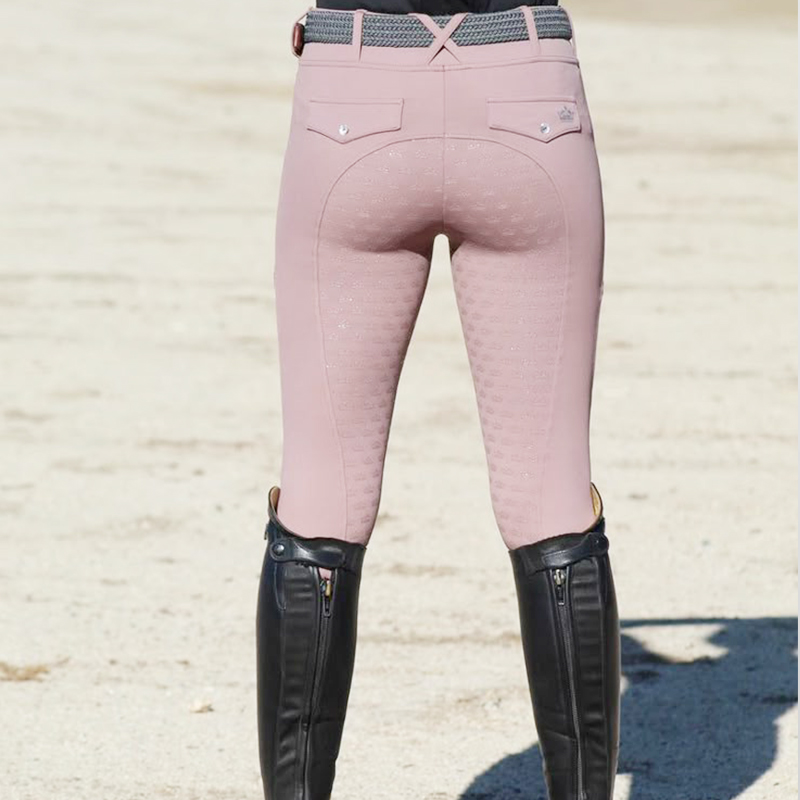
Run your fingers over the fabric—does it feel substantial or flimsy? High-quality materials often reveal themselves through weight and texture. Natural fibers like cotton, wool, and linen tend to breathe better and age gracefully, while cheap synthetics can trap heat and pill after a few washes. Look closely at the weave: tight, even stitching usually signals durability, whereas loose threads or uneven patterns hint at corners cut during production.
Turn the garment inside out and examine the seams. Are they straight and securely stitched, or do they veer off course with loose ends? Reinforced seams at stress points—shoulders, armholes, and crotch—indicate thoughtful design. Check that patterns align at the seams; a rushed assembly often ignores this detail. Zippers should glide smoothly without catching, and buttons ought to feel firmly attached, not wobbling in their threads.
Give the item a gentle stretch to see how it recovers. Quality fabrics spring back into shape, while inferior ones stay distorted. Hold it up to the light: a dense, opaque weave generally means better longevity. These small investigations take only a few moments but can spare you the frustration of a garment that unravels after one season.
Prioritize Fit and Comfort for Peak Performance
When your gear feels like a second skin, you stop thinking about it and start focusing entirely on the task at hand. The right fit eliminates distractions—no readjusting straps, no chafing from loose fabric, no tightness that restricts your movement. Comfort becomes the quiet partner that allows you to push harder and stay in the zone longer.
It’s not just about avoiding discomfort; it’s about enabling your body to move naturally. Well-designed apparel and equipment follow your anatomy, supporting muscle groups and joints through every range of motion. This synergy reduces energy waste, delays fatigue, and subtly reinforces good form, all of which translate directly into measurable performance gains.
The mental edge is just as powerful. Confidence grows when you know nothing will slip, rub, or hold you back. That trust in your gear lets you take calculated risks, whether it’s a sharper turn, a deeper squat, or a longer stride. Over time, prioritizing fit and comfort becomes the foundation upon which consistency and breakthroughs are built.
Tap Into Customer Experiences and Honest Feedback
There’s something raw and real about hearing a customer describe your product in their own words. It’s not polished marketing speak—it’s frustration, delight, confusion, or relief. When you actually listen to those unfiltered voices, you stop guessing what people want. You start seeing patterns in the tiny details: the feature they keep misusing, the one they rave about at 2 a.m., the little workaround they invented because your design missed a step.
Honest feedback doesn’t always come gift-wrapped. Sometimes it’s buried in a support ticket, a passing comment on social media, or a lukewarm review that says “it’s fine, I guess.” Leaning into those moments takes humility. It means asking follow-up questions even when you’re afraid of the answers. But that’s where the breakthroughs hide. You realize the “clunky” checkout flow is actually costing you loyal customers, or that a feature you thought was secondary is the main reason people stay.
The brands that genuinely improve are the ones that treat every complaint, every suggestion, every offhand remark as a clue. They don’t just collect feedback—they sit with it, argue about it, and let it reshape their roadmap. Over time, customers notice. They feel heard, and trust deepens. That quiet loyalty can’t be bought with a discount code or a clever ad. It comes from showing people you’re willing to change, and that their voice matters more than your assumptions.
Look for Personalization That Matches Your Riding Style
A one-size-fits-all approach rarely works once you really dial into how you ride. Whether you're slicing through early morning traffic, chasing KOMs on sun-scorched tarmac, or floating over root-laced singletrack, your body position, weight distribution, and even the way you perceive feedback from the road or trail shifts dramatically. Personalization isn't about slapping on a flashy component—it's about building a setup that disappears beneath you, letting instinct take over while your gear quietly does the heavy lifting.
Start with touchpoints: saddle shape and width directly affect pelvic rotation and pressure zones, while handlebar sweep and width determine how open your chest stays during long hours in the saddle. Stem length and stack height can transform a twitchy steering response into something planted, or vice versa. If you're on rough terrain, suspension settings—air volume, rebound damping, compression clicks—should mirror not just your weight but your aggressiveness and line choice. Even subtle shifts, like moving cleat position rearward on a shoe, can make a climb feel less like a fight and more like a rhythm.
The real magic happens when these adjustments align with your actual habits, not an idealized version of how you think you ride. Pay attention to where fatigue hits first, which hand goes numb, or when you instinctively brace on descents. Those signals are your body asking for a more tailored interface. A machine that truly matches your riding style doesn't just reduce discomfort; it amplifies confidence, letting you push deeper into corners or settle into a pace that feels effortlessly sustainable.
Value a Brand’s Deep Roots in Equestrian Tradition
A brand woven from decades of equestrian heritage carries a narrative that no marketing campaign can replicate. The scent of saddle leather, the rhythm of hooves on morning turf, the unspoken bond between rider and horse—these details seep into every stitch and silhouette. When a house traces its origins to the ateliers that outfitted cavalry officers or the tanneries that perfected bridle leather, each piece inherits a code of precision. It’s not nostalgia for nostalgia’s sake; it’s a living archive of functional beauty that still informs how a strap is cut or a buckle is cast.
This lineage manifests in materials chosen not for trend but for endurance. Brass hardware develops a patina that tells time, not age. Wool felt is compressed under pressure once reserved for saddle pads, yielding a texture that softens without losing structure. Even the stitching references techniques passed down through generations of artisans—saddler’s double seams that were originally designed to withstand the torsion of a galloping horse now secure handbag handles. The value lies in this quiet translation: what once served the demands of the stable now elevates everyday objects with an assurance of longevity.
Moreover, a deep equestrian root system cultivates a distinct grace under pressure. There’s an inherent dignity in designs born from a world where form must never compromise function. A jacket cut mirrors the freedom of movement required in the saddle; a boot’s silhouette derives from centuries of refining the perfect heel height for stirrups. These aren’t costumes—they’re continuations. The brand becomes a custodian of a culture that values restraint over spectacle, making authenticity its most resilient asset in an industry often driven by the ephemeral.
FAQ
A trustworthy vendor will have a clear focus on equestrian apparel, not just generic sportswear. Look for detailed product descriptions that mention specific features like reinforced knee patches, four-way stretch fabric, and breathable materials. They should also be transparent about their manufacturing process and offer sizing guidance that goes beyond a basic chart.
High-quality jodhpurs often use technical fabrics like cotton blends with elastane for flexibility, or advanced synthetics that wick moisture and resist abrasion. A good vendor will name the exact material composition and explain its benefits, such as durability during long rides or comfort in varying weather. If the description is vague, that's a red flag.
Absolutely, but pay attention to reviews from actual riders. Look for feedback that mentions how the jodhpurs hold up after several months of use, whether they fade or lose shape, and how they perform in the saddle. A vendor that encourages and displays these kinds of detailed reviews is usually more customer-focused.
Vendors with a background in riding or close ties to the equestrian community tend to design better products. They understand the practical demands—like the need for seamless construction to prevent chafing, or grip patterns that actually work in the saddle. Check if the brand collaborates with riders or sponsors events, as that shows genuine involvement.
A reliable vendor will have a straightforward return policy that accommodates try-ons at home, because sizing can be tricky. They might offer free exchanges or a fit guarantee. Also, look for detailed sizing advice, such as measuring instructions for waist, hip, and leg length, not just standard sizes. This shows they care about the fit.
While not essential, a vendor that provides options like full-seat versus knee-patch, or different rises and lengths, indicates a deeper understanding of rider preferences. Customization, such as hemming services or bespoke measurements, can be a strong sign of a dedicated maker who prioritizes individual fit over mass production.
Be wary of extremely low prices, as quality materials and ethical production cost money. A lack of detailed product images, especially close-ups of seams and fabric, can hide poor workmanship. Also, if the vendor has no clear contact information or dodges questions about their supply chain, it's best to look elsewhere.
Conclusion
When searching for reliable jodhpurs, start by examining the vendor's history within the riding community. A brand that has earned the respect of seasoned equestrians over time often reflects a commitment to quality that goes beyond marketing claims. Real riders test gear daily, so their endorsements carry weight. Look for brands that provide transparency about materials — the best jodhpurs use durable, breathable fabrics with reinforced stitching in high-stress areas like the inner knee and seat. Construction details matter: flat seams prevent chafing, and robust zippers or buttons hold up under repeated use. Fit isn't just about size; it's about how the jodhpurs move with you in the saddle. Properly designed riding pants should offer a close, supportive fit without restricting movement, often incorporating stretch panels and silicone grips that enhance stability and comfort during long hours of training or competition. A vendor that invests in pattern engineering for different body types and riding disciplines demonstrates an understanding that peak performance depends on gear that feels like a second skin.
Equally revealing is what other customers say. Dive into reviews and testimonials, but focus on detailed accounts from riders in your specific discipline — dressage, jumping, or trail riding — because each places different demands on apparel. Honest feedback often highlights long-term durability and whether the pants retain their shape after washing. Beyond standard offerings, a standout vendor provides customization options, not just in color but in functional details like knee patch material or leg length, so your gear truly reflects your riding style and needs. Finally, consider whether the brand’s heritage is rooted in equestrian culture. Companies founded by riders or with decades of involvement in the sport tend to innovate based on real-world experience rather than fleeting fashion. They understand the subtle interplay between tradition and technology, creating jodhpurs that honor classic aesthetics while embracing modern performance fabrics. Choosing such a vendor means you’re not just buying a garment — you’re investing in a piece of the riding legacy, backed by a dedication that mass-market brands rarely replicate.
Contact Us
Contact Person: Keven Tong
Email: [email protected]
Tel/WhatsApp: +86 18666477707
Website: https://www.ope-technology.com