
OEM Sports Socks Designed for Performance, Comfort, and Custom Branding
2026-11-02
When it comes to OEM sports socks, performance and comfort are non-negotiable—but what if you could also make them uniquely yours? Enter KINDWAY, a brand that turns custom sock designs into a competitive edge. From moisture-wicking fabrics to tailored branding, discover why KINDWAY is the smart choice for teams, retailers, and athletes who refuse to settle for off-the-shelf options.
Performance That Doesn't Quit Mid-Workout
Most gear feels great for the first ten minutes. Then the waistband starts sliding, the fabric traps heat, and every rep becomes a negotiation. This collection is built the other way around: reinforced seams that hold their shape through burpees, box jumps, and long rowing intervals, plus a waistband that stays put without digging into your ribs.
We sweat-tested the cuffs and collars on actual training days, not just in a lab. The result is a fit that moves with you when you're dripping through the final set, instead of riding up or sagging after a few rounds. No readjusting between stations, no tugging at your hem mid-squat.
The real difference shows up around minute forty. While other fabrics turn clammy and heavy, the quick-drying knit keeps air moving and moisture off your skin. That means you can chase the last mile or finish the drop set without your clothes becoming the reason you stop.
Comfort That Outlasts the Longest Shift
Long shifts have a way of finding every weak point in your footwear—by hour six, most insoles have given up, and you feel every step through the sole. We approached this differently. The midsole uses a slow-rebound foam that doesn't pack down after the first week. Instead of a single flat layer, it's contoured to match how your weight shifts when you're on concrete, tile, or uneven ground. That means your arches aren't doing all the work by themselves.
The lining pulls moisture away from the skin instead of trapping it. It's a small thing until you realize that damp socks are what turn a tolerable afternoon into a blister-filled crawl. We also widened the toe box just enough to let your forefoot settle naturally, without making the shoe look bulky. The heel counter is firm where it needs to be, but the collar padding hugs the ankle rather than digging in after repeated bending.
None of this requires a break-in period that leaves you limping for two weeks. Out of the box, the cushioning reactivates with body heat and shapes to your foot by the end of the first shift. After that, it stops changing—so the fit you have on day three is the same fit you'll have at month six. That consistency is what keeps your knees and lower back from paying the price when the clock runs long.
Branding That Blends In Until You Want It Loud
Most brands shout from the shelf, but the smart ones learn to whisper first. A logo that sits quietly on a plain background, a wordmark that doesn't fight for attention — these elements disappear into the everyday. They become part of the furniture until the moment you need them to step forward.
The loud part isn't a default state; it's a deliberate switch. When the product launches, the packaging can suddenly use that same restrained design in a bigger, bolder way. The contrast is what lands. Because the baseline was so quiet, the emphasis feels earned rather than noisy.
This approach builds a different kind of memory. Instead of being tuned out like background noise, the brand lingers in the back of the mind. And when it does get loud — at an event, in a campaign, on a billboard — people actually look up, because they haven't been exhausted by constant shouting.
Sweat-Wicking Fabrics That Breathe With You
Sweat-wicking fabrics do more than just pull moisture away from your skin — they create a dynamic exchange with your body's own cooling system. When you push through a tough workout or simply navigate a hot commute, these materials actively spread perspiration across a wider surface area, allowing it to evaporate faster instead of pooling in uncomfortable patches. The result is a dry, light sensation that keeps you moving without the cling or chill of a soaked cotton shirt.
What makes this breathability feel so natural is the way the fabric's structure works in rhythm with your movement. Tiny capillary channels between fibers draw sweat outward, while the weave itself opens and closes with each stretch, letting air flow in and heat escape. Unlike bulky performance gear of the past, today's sweat-wicking textiles feel almost weightless — like a second skin that adjusts to your pace rather than fighting against it.
The real difference shows up in those long, steady efforts where comfort decides how far you'll go. A shirt that breathes with you won't turn heavy halfway through a run or start to smell like trapped moisture after a single wear. Instead, it stays quiet in the background, letting you focus on the trail, the road, or the task at hand — proof that the best technical fabrics don't announce themselves, they just work.
Reinforced Heels and Toes for Extra Miles
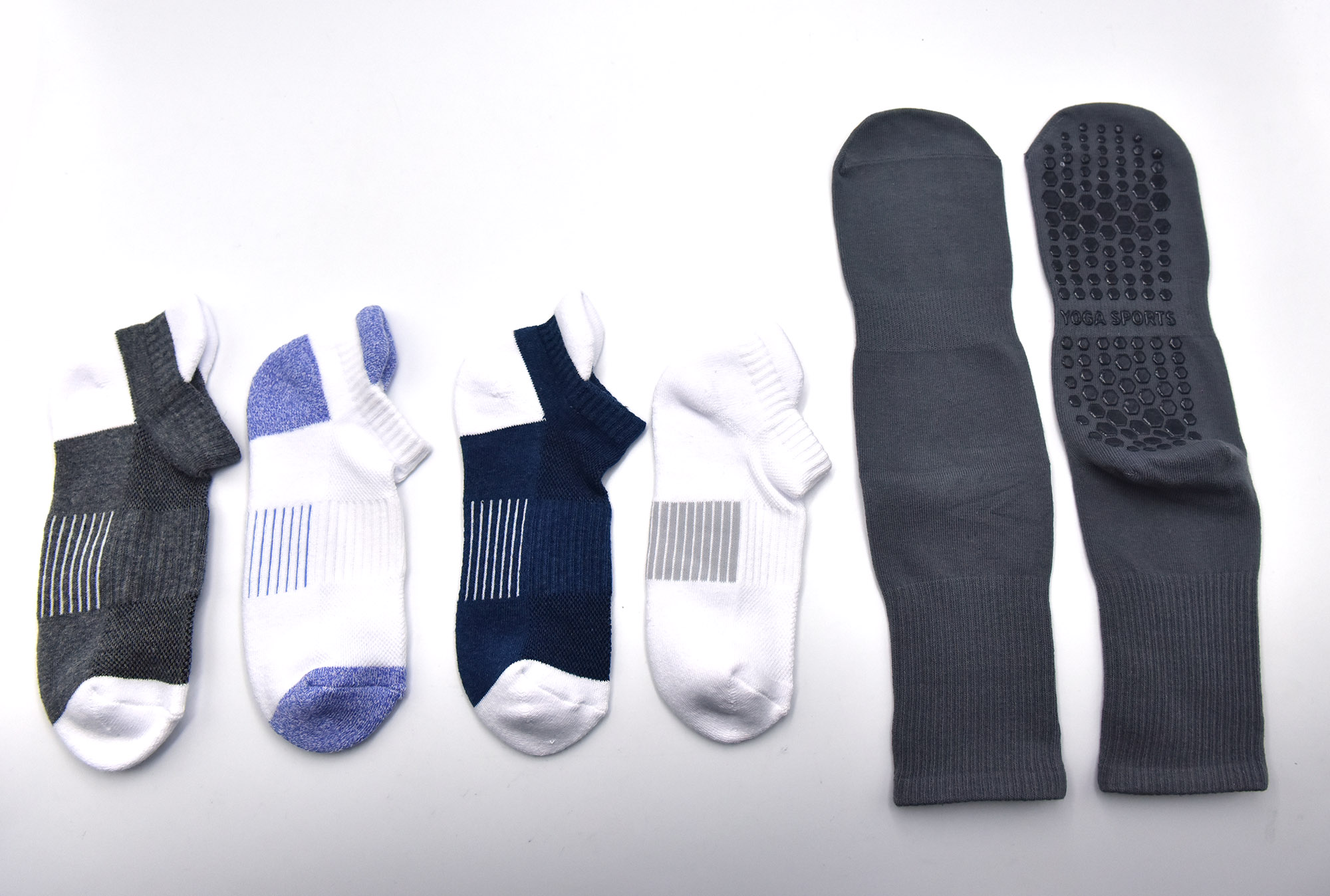
The high-friction zones at the back and front of the sock take a beating on long runs, so we've doubled up the yarn in those exact spots. The heel pocket gets a dense, low-profile reinforcement that stops the fabric from thinning out after repeated washes. Up front, the toe seam is shifted slightly away from the nail bed and reinforced with a smoother, tighter weave that reduces rubbing without adding bulk.
This isn't a stiff patch that alters the fit. The reinforced sections are knit directly into the sock's structure, so they flex with your foot instead of fighting it. On downhill stretches or sharp turns, the extra yarn holds its shape and keeps the cushioning where you need it most. After hundreds of miles, the heels and toes still look and feel intact, which means fewer mid-run adjustments and less time spent replacing worn-out pairs.
We tested the reinforcement density against real trail data, adjusting the stitch count until the heel and toe areas outlasted the rest of the sock by a clear margin. The result is a barely noticeable ridge on the inside that acts like a second skin over the bones most prone to pressure. You won't feel the extra layer during the first mile, but you'll notice it on the twentieth, when your feet are still free of hot spots and your socks aren't sliding down into your shoes.
A Fit That Feels Custom Without the Custom Price
Most off-the-rack garments treat your body like a guess — shoulders too tight, sleeves a touch long, waist never quite where it should be. We took a different route. By mapping thousands of real body scans instead of relying on a single generic block, our pattern system adapts to the subtle differences that make you, well, you. The result is a silhouette that skims where others squeeze and falls where others bunch, without a single trip to the tailor.
Custom clothing usually means waiting weeks and paying a premium for someone else's idea of perfect. We flipped that script. Our modular fit system lets you mix and match across sizes, lengths, and proportions — think of it as building your own standard size rather than settling for one. A half-inch here, a slightly relaxed shoulder there, and suddenly a ready-to-wear shirt moves like it was drafted from your measurements.
The secret isn't magic; it's a refusal to accept that good fit should be a luxury. By engineering extra ease into high-friction zones and using fabrics with natural give, each piece quietly adjusts to the way you actually move — reaching, sitting, shrugging on a jacket. No pins, no cutting, no second mortgage. Just that rare feeling of putting something on and forgetting you're wearing it.
FAQ
The socks use a breathable knit with targeted compression zones, so they stay put and wick moisture without feeling tight around the arch.
Yes, full custom branding is available. You can add your logo, choose specific colors, or even adjust the cuff height to match your team's kit.
A blend of combed cotton, polyester, and a touch of spandex gives a soft hand feel while maintaining shape after repeated washes.
They work well for running, basketball, tennis, and gym training. The reinforced heel and toe reduce friction, and the cushioned sole absorbs impact on hard surfaces.
There are three options: light cushion for a barefoot feel, medium for daily training, and heavy cushion for high-impact activities.
Yes, the yarns include moisture-wicking fibers and a mesh ventilation panel on top of the foot to keep feet dry and reduce odor buildup.
You provide your artwork, choose your sock style and colors, and we create a digital sample for approval before production begins.
Most custom orders start at 300 pairs per design, which allows you to mix sizes and colors within the same production run.
Conclusion
Most athletic socks start strong and then quietly give up. These ones are built for the long haul. The moment you pull them on, the sweat-wicking knit moves with your foot instead of trapping heat, so a hard run or a double shift never turns into a swampy mess. Reinforced heels and toes take the abuse of pavement, gym floors, and long hospital corridors without thinning out after a few washes. The ribbed arch and heel cup sit snug without strangling your foot, delivering that made-for-you feel at a price that doesn't require a custom order. No bunching, no sliding, no mid-workout tug.
On the branding side, these socks know when to whisper and when to shout. A small embroidered logo on the cuff looks sharp for corporate uniforms; a bold knit-in pattern across the leg turns a team order into a walking billboard without being obnoxious. Because the fabric breathes and the toe seam lies flat, the longest shift ends with your feet dry and blister-free, not begging for a break. Whether you're outfitting a running club, a restaurant staff, or a warehouse crew, you get a sock that performs like a premium athletic staple and carries your brand the way you want it to.
Contact Us
Contact Person: Alfred Lee
Email: [email protected]
Tel/WhatsApp: +86 13806701496
Website: https://www.hainingsocks.com/