

How Do Polo Shirts Help Brands Look Professional Without Losing Comfort?
2026-04-20
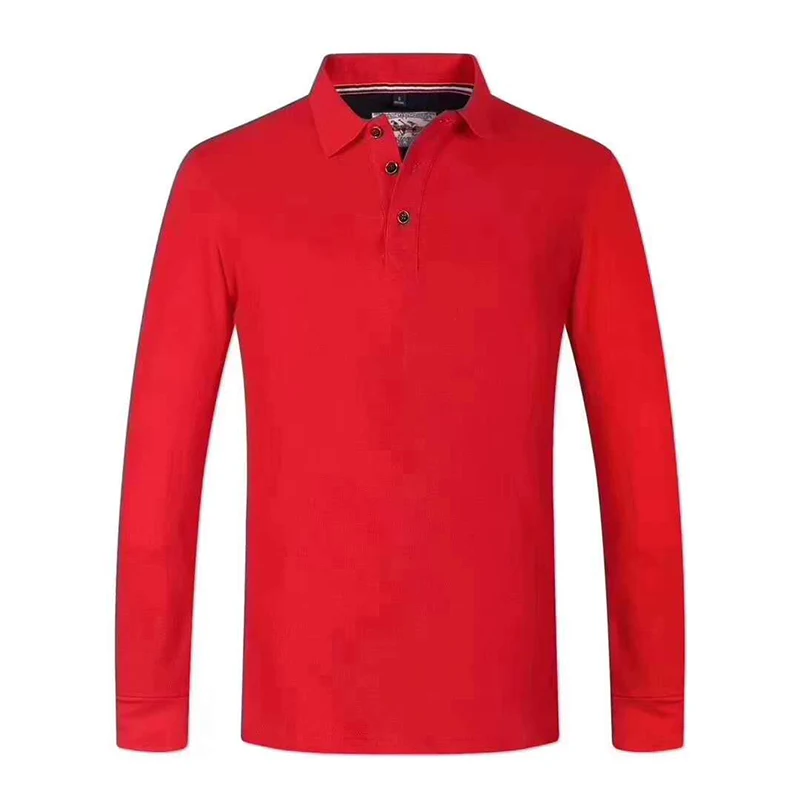
When I evaluate uniform apparel for branding, events, retail programs, and team wear, I pay close attention to the balance between appearance, comfort, and repeat-use value. That is exactly why I keep coming back to Polo Shirts as a reliable solution. In practical sourcing conversations, I have also seen how Cangnan County Qimeng Clothing Co., Ltd. approaches this category with a clearer focus on wearable comfort, customization flexibility, and production consistency. A good Polo Shirts supplier does not simply offer basic garments. It helps buyers solve real problems such as fabric selection, logo presentation, fit stability, and delivery planning.
Why Do So Many Buyers Still Choose Polo Shirts Over Ordinary T-shirts?
I think the answer is simple. A polo sits in a very useful middle ground. It looks more polished than a standard crew neck tee, but it still feels easier and more relaxed than a formal shirt. That makes it a practical option for companies that want their staff, distributors, event teams, or promotional partners to look organized without appearing overdressed.
In my experience, buyers usually want four things from this category:
- A cleaner and more structured appearance for customer-facing teams
- Comfort that employees can tolerate for long hours
- Branding space for embroidery, printing, or woven labels
- Reliable fabric and size consistency across repeat orders
That is why Polo Shirts continue to work so well for hospitality, schools, clubs, logistics teams, golf-related promotions, corporate events, and casual fashion lines.
What Problems Do Buyers Usually Face When Ordering Polo Shirts?
I have noticed that many purchasing decisions become frustrating not because the product idea is wrong, but because the execution is weak. Buyers often start with a simple requirement, then run into avoidable issues after sampling or mass production.
- The fabric feels rough, hot, or too thin after washing
- The collar loses shape and makes the garment look cheap
- The color tone does not match the brand image
- The logo placement looks uneven from piece to piece
- The size grading is inconsistent across different batches
- The supplier cannot respond clearly on lead time or customization details
From my perspective, these are not minor defects. They directly affect resale confidence, team image, and reorder efficiency. A supplier that understands these pain points can save the buyer far more than unit price alone ever will.
Which Features Make Polo Shirts More Comfortable in Daily Wear?
Comfort is usually the first thing the end user notices, even when the buyer is mainly focused on branding or procurement. I always pay attention to the fabric structure, breathability, softness against the skin, and how the garment moves during actual use.
For daily wear, I usually look for qualities like these:
- Breathable fabric that reduces stuffiness during long shifts or warm weather
- Good moisture handling so the shirt stays more comfortable in active environments
- A collar that holds its shape after repeated washing
- A balanced weight that does not feel either flimsy or overly heavy
- Construction that allows movement without looking sloppy
These details matter because buyers are not only purchasing a garment. They are purchasing user acceptance. If staff members dislike the feel of the shirt, even a visually strong design will fail in practice.
How Can the Right Supplier Help Me Customize Polo Shirts More Efficiently?
Customization is where a product becomes commercially useful. I do not just need a wearable shirt. I need a product that can support a brand story, a team identity, or a resale plan. That means I want flexible options without creating unnecessary production risk.
A capable supplier can usually support customization in several practical ways:
- Fabric choices for different climates, price targets, and customer preferences
- Color development aligned with company identity or seasonal collections
- Embroidery, screen printing, heat transfer, or other logo applications
- Style differences such as short sleeve, long sleeve, contrast collar, or button variations
- Size range planning for different markets and wearer groups
- Private label or OEM-oriented packaging support
When I work with suppliers that understand these steps clearly, the whole project becomes easier to manage. The sampling process is faster, communication is cleaner, and the buyer can make decisions with less guesswork.
Is Price the Most Important Factor When I Source Polo Shirts?
I do not think so. Price matters, of course, but it should never be the only filter. A very low quote can become expensive if the fabric underperforms, if reorders are inconsistent, or if the shirts generate complaints after delivery.
When I compare offers, I usually evaluate total value rather than headline price. That includes material quality, workmanship, logo execution, communication speed, packaging options, production stability, and the supplier’s ability to support repeat business.
| Evaluation Point | Why It Matters | What I Usually Check |
|---|---|---|
| Fabric Performance | Directly affects comfort and wear frequency | Breathability, softness, thickness, wash response |
| Collar and Stitching | Shapes the first visual impression | Neckline stability, seam neatness, durability |
| Customization Accuracy | Protects brand presentation | Logo position, color matching, print or embroidery quality |
| Size Consistency | Reduces complaints and returns | Measurement control, grading logic, batch stability |
| Lead Time Reliability | Important for campaigns and delivery schedules | Sampling speed, production planning, communication response |
| Long-term Cooperation Potential | Supports repeat orders and growth | Service attitude, flexibility, problem-solving ability |
What Makes Polo Shirts Useful Across Different Industries?
One reason I like this category is that it adapts well to very different business uses. A single product family can serve multiple sales channels and user groups without feeling out of place.
- Corporate uniforms for front desk, retail, and field teams
- School or training program apparel
- Clubwear and community organization garments
- Promotional clothing for trade shows and brand campaigns
- Golf, leisure, and smart-casual fashion programs
- Distributor or reseller collections that need broad market appeal
That versatility is important because it gives buyers room to scale. A well-developed Polo Shirts line can start with one order for staff use and later expand into merchandising, seasonal updates, or regional distributor programs.
How Do I Judge Whether a Manufacturer Can Support Long-term Orders?
I usually look beyond the product photos. A long-term partner should be able to support more than one successful shipment. I want to know whether the manufacturer can maintain quality, communicate clearly, and handle product variations as my business evolves.
Here are the signs I pay attention to:
- They understand both standard products and custom development
- They can explain materials and construction in practical language
- They respond with useful detail instead of vague promises
- They show consistency across different styles, not just one sample
- They seem prepared for repeat orders, not only one-time transactions
That is why many buyers prefer manufacturers with real category experience. In the case of Cangnan County Qimeng Clothing Co., Ltd., the value for buyers is not just product availability. It is the ability to discuss style options, branding needs, and order expectations in a more workable way for ongoing business.
Which Buying Strategy Helps Me Reduce Risk Before Placing a Large Order?
I usually recommend a staged buying approach. It sounds basic, but it works. Instead of jumping directly into a large production run, I prefer to validate the product in layers.
- Start with a clear use case such as uniforms, promotions, or resale
- Choose the target fabric feel and price range early
- Confirm decoration method based on logo style and budget
- Check the collar, placket, stitching, and measurements in the sample stage
- Review packaging and labeling details before bulk production
- Keep records of approved specifications for repeat orders
This process helps me avoid the most common sourcing mistakes. It also gives the supplier a fair chance to deliver exactly what the project requires.
Do Better Polo Shirts Really Improve Brand Perception?
Yes, I believe they do. Clothing is one of the most immediate forms of brand communication. People notice the fit, the finish, the color, and the confidence of the person wearing it. If the shirt looks sharp and feels good, the brand behind it feels more reliable as well.
That is especially true in real-world situations such as exhibitions, client visits, retail counters, hospitality service, school activities, and promotional events. A strong polo does not need loud design to make an impression. It works because it looks intentional, wearable, and professional.
In my view, that is the real strength of Polo Shirts. They deliver practical comfort while quietly improving how a team or brand is perceived.
How Can I Move Forward If I Want Custom Polo Shirts That Fit My Market Better?
If you are comparing suppliers, planning a uniform project, or building a private-label apparel line, it makes sense to start with a partner that understands both product comfort and customization logic. A good garment program should help you control appearance, consistency, and commercial usability at the same time. If you want to discuss fabric options, logo methods, sizing, production details, or bulk order planning, contact us and share your requirements. The team at Cangnan County Qimeng Clothing Co., Ltd. can help you explore practical Polo Shirts solutions for your business and turn your inquiry into a more efficient sourcing plan.